Arocon Roofing and Construction
  • About Us
    • Our Team
    • Reviews
    • Financing
    • Careers
    • Blog
  • Services
    • Roofing
      • Roof Repair
      • Roof Replacement
      • Roof Tune-Up/Maintenance
      • Roof Inspection
      • Metal Roofing
      • Commercial Roofing
    • Gutters
      • Gutter Installation
      • Gutter Cleaning
        • Gutter Protection
    • Siding
    • Skylights
    • Windows
    • Roof and Gutter Tune Up
    • Home Confidence Plan
    • Storm Damage
  • Claims
  • Service Area
    • Westminster, MD
      • Roofing
      • Claims
    • Cambridge, MD
      • Roofing
      • Claims
    • Alexandria, VA
      • Roofing
      • Claims
    • Rehoboth Beach, DE
      • Roofing
      • Claims
  • 410-861-6767
  • FREE ESTIMATE
  • Menu Menu
Call now Free Estimate
An illustration showing different types of fascia boards and their applications

How to Maintain Your Fascia Board for a Lasting Roof

November 7, 2024/in Roofing/by Arocon

Fascia boards are crucial components of your roof, supporting the gutter system and protecting your home from moisture and pests. In this article, we discuss their functions, benefits, and materials used, as well as how to identify damage to fascia boards and maintenance tips for your fascia board.

Key Takeaways

  • Fascia boards are essential for both the structural integrity and aesthetic appeal of your home, directing water away and enhancing curb appeal.

  • Regular inspections and maintenance of fascia boards help prevent fascia damage and costly repairs by ensuring a dry and secure environment.

  • Choosing the right material for fascia boards such as wood, vinyl, or aluminum can significantly impact their longevity and maintenance requirements.

Understanding Fascia Boards

An illustration showing different types of fascia boards and their applications

Fascia boards are a key component of the roofing structure, crucial for maintaining your home’s integrity and function. Positioned behind gutters and running along the length of your house, these boards not only support the gutter system but also connect to the roof rafters, closing off the attic to pests and elements.

Fascia boards primarily support the gutter system, directing water away from your home. Without properly functioning fascia boards, water can infiltrate your roof and attic. Additionally, fascia boards prevent rafters from rotting, thus maintaining the roof’s structure.

Beyond their functional role, fascia boards add a finished look to your roofline, enhancing the curb appeal of your home. They serve both decorative and protective purposes, making them a crucial element in your home’s exterior design. In essence, fascia boards ensure your roof’s longevity and enhance your home’s aesthetic appeal.

Functions and Benefits of Fascia Boards

Fascia boards enhance both the functionality and aesthetics of your home. Covering the soffit and providing a finished look to the roof and eaves, fascia boards contribute significantly to the overall curb appeal of your property. The color and style of your fascia cover can dramatically influence the appearance and potential resale value of your home.

Functionally, fascia boards manage wetness around your roof. They support the gutter system, which handles heavy rain, preventing moisture accumulation and potential damage. A complete fascia system offers adequate space for attachment, preventing shifting and twisting that could lead to moisture damage.

Additionally, fascia boards enhance the structural integrity of your home by supporting the roof’s edge and preventing the rafters from rotting. By doing so, they help maintain a dry, pest-free attic and a sound roofing system.

In summary, fascia boards and fascia supports are vital for both functionality and aesthetics, making them essential to any roofing structure.

Common Materials for Fascia Boards

For fascia boards, various materials are available, each with its advantages and drawbacks. Common materials consist of wood, vinyl, and aluminum. Additionally, composite and fiber cement are also frequently used. Choosing the right material depends on your specific needs and conditions.

Wood fascia boards provide a classic appearance and are typically made from cedar, pine, or redwood, with spruce and fir also being common choices. However, wood can be prone to moisture damage and may require regular maintenance to keep it in good condition.

On the other hand, vinyl fascia boards are lightweight and resistant to moisture and insects, though they can warp from moisture and soften in heat. Aluminum fascia boards are durable and require low maintenance, but they can be more expensive than wood or vinyl and may dent or scratch easily.

Composite fascia boards, which combine wood fibers and plastic, offer eco-friendly durability and aesthetic flexibility. Lastly, fiber cement fascia boards are highly resistant to fire, moisture, and insect damage but are heavier, more costly, and require special tools for installation.

Understanding the pros and cons of each material will help you make an informed decision when choosing fascia boards for your home.

Choosing the Right Fascia Board Material

A photo of selecting the right fascia board material with examples of different materials

Choosing the right fascia board material ensures the durability, functionality, and aesthetic appeal of your home. Environmental conditions, budget, and visual appeal are significant factors in this decision. Consider climate, budget, aesthetics, and maintenance requirements when selecting fascia boards.

Vinyl and aluminum fascia boards are known for their resilience and require minimal upkeep compared to traditional wood. Composite materials, which combine wood fibers and plastic, offer both durability and aesthetic flexibility, making them an excellent choice for many homeowners. Additionally, preservative-treated wood can enhance the longevity of fascia boards by resisting moisture-related issues.

Each material withstands extreme weather differently, so choose one that suits your local climate. Structurally sound fascia boards are crucial due to their weight-bearing role in supporting the gutter system. By considering these factors, you can select the right fascia board material that meets both your functional and aesthetic needs.

How to Identify Damaged Fascia Boards

Identifying damaged fascia boards early can save you from costly repairs. Common signs of damage include cracks, splits, or holes in the fascia boards. If your fascia boards show staining, bowing, or chipping, it’s time to replace them. Ignoring damaged fascia can lead to severe water infiltration and rot, compromising the structural integrity of your roof.

Removing damaged sections promptly can prevent further issues and maintain your roofing system’s health. Regular inspections and maintenance keep fascia boards in good condition, ensuring effective protection for your home.

Steps to Replace Fascia Boards

A photo demonstrating the steps to replace fascia boards on a house

The system must be configured correctly to ensure optimal performance. If the components are not installed properly, it can lead to various issues that affect functionality. Replacing fascia boards can be manageable with a step-by-step approach.

After:

  1. Begin by inspecting the existing fascia to assess the extent of the damage.

  2. If replacement is necessary, remove the old fascia board and any mounted gutters.

  3. Measure and cut the new fascia board for installation.

  4. Mark and remove the fascia board in sections for easier handling.

  5. Identify and mark the rafter locations to ensure proper alignment before securing the new fascia board.

  6. Use nails that are 2 inches long to fasten the fascia board securely to the rafters, ensuring it has two contact points for added strength.

  7. Seal the seams between fascia pieces against water to prevent future damage.

  8. Finally, seal and paint the wood, adding an outdoor primer and paint for protection and aesthetic matching.

Preventative Maintenance for Fascia Boards

Maintaining your fascia boards is essential to keep them in good condition and prevent damage. Regular inspections and maintenance practices can prolong the life of your fascia boards. Applying a body filler putty to the seams helps prevent water damage, while painting the new fascia board with outdoor primer and paint offers protection and aesthetic matching.

Installing a metal drip edge can further protect fascia boards from water damage by directing water away from the roof’s edge. Trimming overhanging branches reduces debris and moisture exposure on fascia boards, helping to prevent wood rot and other issues.

For added protection, consider wrapping the fascia boards in metal, which can save you from frequent maintenance and extend the lifespan of your fascia boards. Sealed and painted fascia boards will require a new coat occasionally to maintain their protection.

Following these practices ensures your fascia boards remain in top condition and continue to protect your home effectively.

Enhancing Your Home’s Exterior with Fascia Trim

A photo showing how fascia trim enhances a home's exterior

Fascia trim can significantly enhance the visual appeal of your home, bringing more attention to the roofline area and accentuating roof peaks. The presence of fascia trim adds a polished and complete look to your home’s exterior, boosting its curb appeal. A textured finish for fascia trim adds dimension and makes the exterior more visually engaging.

Contrasting colors for fascia trim can highlight architectural features and add interest to your home’s exterior. Customize fascia trim in various styles and colors to match the home’s architectural design, ensuring a cohesive and attractive appearance. Decorative fascia trim can create a polished finish that enhances overall curb appeal.

For a modern look, larger fascia trim is often used; Craftsman homes typically prefer narrower options. Incorporating LED lighting into fascia trim enhances visibility and creates dramatic effects at night, adding both beauty and functionality to your home’s exterior elements.

The Role of Fascia in Roof Design

An photo depicting the role of fascia in roof design

Fascia boards frame the roof overhang and enhance the home’s visual appeal. They integrate with soffits and gutters, creating a cohesive and functional roofing system. Serving as a horizontal barrier at the roof’s edge, house fascia boards protect against water infiltration and manage excess moisture, maintaining the roof’s structural integrity.

Fascia boards also contribute to directing rainwater away from the structure of the house, preventing potential water damage. Water leaks in the roof or attic can indicate compromised fascia boards, signaling the need for inspection and possible replacement. Peeling paint or wood rot on siding may result from fascia issues, highlighting their importance in roof maintenance.

In summary, fascia boards are crucial to roof design, contributing to both the aesthetic and functional aspects of your home’s exterior. Properly maintained fascia boards ensure a durable and attractive roofing system.

Professional Fascia Board Services from Arocon

When it comes to fascia board services, Arocon LLC stands out for their expertise and professionalism. Known for their punctuality and attention to detail, the Arocon team handles every fascia board installation and repair project with utmost care. Responsive communication keeps clients informed throughout the process, providing peace of mind.

Arocon’s services include thorough cleanup, leaving the site tidy and ensuring no mess after fascia board projects. As a leading provider of fascia board installation and repair services, Arocon LLC delivers high-quality workmanship and reliable solutions for all your fascia board needs.

Summary

In conclusion, fascia boards are an essential component of your roofing system, providing both functional and aesthetic benefits. Understanding the importance of fascia boards, identifying damage early, and choosing the right materials are crucial steps in maintaining a lasting roof. Regular maintenance and professional services can ensure your fascia boards remain in top condition, protecting your home and enhancing its curb appeal.

By following the guidance provided in this blog post, you can take proactive steps to maintain and enhance your fascia boards, ensuring they contribute to a durable, beautiful roof for years to come. Don’t overlook these unsung heroes of your roofing system—your home will thank you for it.

Frequently Asked Questions

What materials are commonly used for fascia boards?

Fascia boards are commonly made from wood, vinyl, aluminum, composite, and fiber cement, offering various benefits to suit your needs. Choose the right material to enhance your home’s exterior and improve its durability!

How can I identify damaged fascia boards?

To identify damaged fascia boards, look for cracks, splits, holes, staining, bowing, or chipping. Catching these issues early is crucial to preventing further damage and keeping your home safe!

What are the benefits of using composite fascia boards?

Using composite fascia boards provides long-lasting durability and a versatile aesthetic that enhances your home’s appeal while being eco-friendly. Most homeowners embrace this choice for a worry-free, attractive finish!

How often should fascia boards be maintained?

To ensure your fascia boards remain in great condition, conduct regular inspections and maintenance, including sealing and painting. Taking these proactive steps will help prolong their lifespan and keep your home looking sharp!

Why should I consider professional fascia board services from Arocon?

Choosing Arocon for your fascia board needs guarantees high-quality workmanship and excellent communication, making your project stress-free and reliable. Invest in professionals for a smooth, hassle-free experience!


https://www.aroconllc.com/wp-content/uploads/2024/10/An-illustration-showing-different-types-of-fascia-boards-and-their-applications-scaled-1.jpg 983 1475 Arocon https://www.aroconllc.com/wp-content/uploads/2024/09/arocon-logo.webp Arocon2024-11-07 08:00:192025-09-02 15:55:40How to Maintain Your Fascia Board for a Lasting Roof
An illustration showing the importance of regular roof inspections for homeowners.

Roof Change How Often: Essential Tips for Homeowners

November 5, 2024/in Roofing/by Arocon

Wondering how often you need to change your roof? The frequency of roof replacement—how often—depends on several factors, including the type of roofing material, climate, and maintenance practices. In this article, we’ll explore these factors and discuss roof change: how often you should assess your roof to help you determine when it’s time for a replacement.

Key Takeaways

  • The lifespan of a roof varies by material, with asphalt shingles lasting about 20 years and metal roofs up to 50 years with proper maintenance.

  • Regular inspections and maintenance are essential to identify early signs of deterioration, such as leaks and shingle damage, to prevent costly repairs.

  • Consulting a professional roofing contractor is crucial for timely evaluations and budgeting for roof replacement around the 20-30 year mark.

Roof Change How Often: Essential Tips for Homeowners

An illustration showing various types of roofing materials that homeowners should consider.

The frequency of roof replacement can vary based on materials and conditions. It’s important to assess your roof regularly for signs of wear. Many homeowners frequently ponder this question. The answer depends on several factors, including the type of roofing material, the age of the roof, visible damage, water leaks, mold growth, and structural issues. 

Budgeting for a roof replacement as your roof nears the end of its lifespan is a prudent step. This foresight helps avoid the financial strain of sudden, unexpected repairs. Regular inspections reveal signs of deterioration, such as moisture in the attic, daylight through roof boards, and evidence of leaks or structural damage after storms.

Understanding these factors and monitoring the condition of your roof can prevent minor issues from escalating into significant problems. Proactive measures ensure your home remains protected, minimizing the stress and expense of emergency repairs.

Introduction

Replacing a roof is not just about addressing wear and tear; it’s an opportunity to enhance your home’s value and aesthetic appeal. However, roofs don’t come with a specific expiration date, making it crucial for homeowners to assess their condition regularly. This guide aims to demystify the process of roof replacement and provide you with the knowledge to make informed decisions about your home’s roofing needs.

At Arocon LLC, we understand the complexities of roofing and the importance of timely replacements. This guide covers essential tips and factors to consider when your roof is approaching the end of its lifespan or showing signs of damage. From understanding the lifespan of popular roofing materials to knowing when to consult a professional, we’ve got you covered.

Key Indicators Your Roof Needs Replacement

An illustration highlighting key indicators that a roof needs replacement, including visible damage and age.

Identifying signs that indicate your roof needs replacement is key to maintaining your home’s integrity. Indicators like the roof’s age, visible shingle damage, water leaks, mold growth, and structural issues can signal the need for a new roof.

Each of these indicators provides valuable insights that can help you determine when to take action.

Age of the Roof

The age of your roof is one of the most reliable indicators of when it needs to be replaced. Generally, roofs should be considered for replacement after 20-30 years, depending on the roofing material. For example, asphalt shingles last about 20 years on average, while metal roofs can last up to 50 years with proper care.

Knowing your roof’s material lifespan helps you plan for replacement before significant issues develop. Regular inspections and maintenance can extend the life of your roof, but eventually, all roofs will need to be replaced based on their age and wear and tear.

Visible Damage to Shingles

Shingle damage, such as curling, cracking, or missing pieces, clearly indicates your roof may need replacement. Curling, cracking, or missing shingles suggest significant wear and tear. Buckled or curled shingles are particularly concerning, as they can no longer effectively protect your home from the elements.

Severe weather can exacerbate shingle damage, causing pieces to break off or creating bald spots. Regularly inspecting your shingles and gutters for debris can help you catch these issues early and take the necessary steps to repair or replace your roof.

Water Leaks and Stains

Water leaks and stains on your ceiling or walls are direct indicators of roof failure. Such signs suggest that your roof’s integrity has been compromised, allowing water to seep through.

Promptly addressing these issues prevents further structural damage and costly repairs.

Mold, Mildew, and Moss Growth

The presence of moss, mold, and mildew on your roof can indicate underlying problems. Moss growth is particularly concerning as it can trap moisture against the roof surface, leading to damage over time.

Regularly clearing moss and inspecting for mold can help maintain your roof’s health and longevity.

Structural Issues

Structural issues such as a sagging or drooping roof are critical indicators of serious underlying problems. A sagging roof often points to extensive damage and potential structural failure, requiring immediate professional evaluation.

Ignoring these signs can lead to significant and costly repairs.

Factors Influencing Roof Lifespan

An illustration depicting roofing longevity through quality installation.

Several factors influence the lifespan of a roof, including the type of roofing material, environmental conditions, quality of installation, and maintenance practices.

Understanding these factors can help you make informed decisions about roof care and replacement, ensuring the longevity and durability of your roof.

Roofing Material

Different roofing materials have varying lifespans, which significantly impact how often a roof needs to be replaced. Asphalt shingles, for instance, typically last 15 to 30 years, while slate roofs can last over 100 years with proper care. Tile roofs are known for their durability but require additional structural support due to their weight.

Choosing the right roofing material for your home involves considering factors such as cost, maintenance, and longevity. High-quality materials like slate and metal may have a higher upfront cost but offer extended lifespans and lower long-term maintenance. The most popular roofing material can also be a viable option depending on your specific needs.

Climate and Environmental Conditions

Climate and environmental conditions play a crucial role in determining how long a roof will last. Extreme weather events, such as heavy storms and rapid temperature changes, can significantly shorten a roof’s lifespan.

Choosing roofing materials suited to your local climate can enhance durability and energy efficiency.

Quality of Installation

The quality of installation is another critical factor in the longevity of your roof. Poor workmanship can lead to leaks, structural damage, and the need for premature replacement. Ensuring that your roof is installed by a reputable roofing contractor can help prevent these issues and extend the life of your roof.

Maintenance Practices

Routine maintenance prolongs your roof’s lifespan. Annual inspections, clearing gutters of debris, and removing moss can help prevent minor issues from becoming major problems. Professional roof inspections should occur at least once a year to catch potential issues early.

Maintenance practices like to trim nearby trees and promptly repair issues significantly extend your roof’s life. Neglecting these tasks is not proper upkeep, making roof issues more expensive to fix in the long run.

Comparing Roofing Materials’ Lifespans

Understanding the lifespan of your roof and different roofing materials is essential for planning repairs and replacements. The average lifespan of a roof can range from 20 to over 100 years, depending on the material used. Knowing these lifespans helps homeowners make informed decisions about the best roofing material for their needs.

Asphalt Shingles

Asphalt shingles are one of the most popular roofing materials due to their affordability and ease of installation. The average lifespan of architectural asphalt shingles is around 22 years, while 3-tab shingles typically last about 25 years. High-quality asphalt shingles can last up to 50 years with proper maintenance, making them a great choice for an asphalt roof.

Regular inspections and maintenance, such as replacing missing shingles and repairing damaged flashing, can help maximize the lifespan of an asphalt shingle roof. Despite their shorter lifespan compared to other materials, asphalt shingles remain a cost-effective and reliable choice for many homeowners.

Metal Roofs

Metal roofs are known for their durability and longevity, often lasting between 30 to 75 years depending on the type and maintenance. Standing seam metal roofs, for example, typically have a lifespan of 30 to 50 years, while zinc and copper roofing can last up to a century.

Proper maintenance, such as clearing overhanging branches and inspecting for damage after high winds, can help extend the life of a metal roof. Although metal roofs have a higher initial cost, their longevity and low maintenance needs make them a valuable investment.

Tile Roofs

Tile roofs, particularly clay tiles, are known for their exceptional durability and longevity, often lasting up to 100 years with proper care. Clay tile roofs can exceed this lifespan when maintained correctly, making them a popular choice for homeowners seeking long-term solutions.

However, tile roofs require regular maintenance to prevent damage from environmental conditions. Proper installation and timely issue resolution can maximize a tile roof’s lifespan.

Slate Roofs

Slate roofs are renowned for their impressive lifespan, ranging from 50 to 100 years. Many slate roofs come with warranties of 50 years to a lifetime, reflecting their long-term investment value. This durability makes slate an excellent choice for homeowners seeking a roof that will last for generations.

While a slate roof requires a higher initial investment, their longevity and minimal maintenance needs make them a cost-effective option in the long run. Choosing slate roofing ensures a durable, aesthetically pleasing roof that withstands the test of time.

Importance of Regular Roof Inspections

An illustration showing the importance of regular roof inspections for homeowners.

Regular roof inspections are crucial for identifying potential issues before they escalate. Annual inspections reveal roof deterioration and extend its lifespan through timely maintenance. Identifying leaks early during inspections can prevent extensive damage and costly repairs.

Hiring a reputable roofing contractor for biannual inspections, particularly before and after harsh weather, maintains your roof’s health. Inspections should thoroughly evaluate both the roof’s exterior and supporting structures for comprehensive maintenance.

Professional Roof Maintenance Services

An illustration of a professional roofing contractor performing maintenance on a roof.

Professional roof maintenance services, like Arocon LLC’s Roof and Gutter Tune-Up, offer a comprehensive approach to roof care. Priced at $199, this service includes minor repairs, such as replacing blown-off shingles and sealing vents, flashings, and nail holes. Technicians also tighten gutters and downspouts and inspect the slope of gutters to ensure proper water flow.

Utilizing professional services ensures that your roof receives expert care, prolonging its lifespan and preventing more significant issues. A photo report showing the roof’s condition before and after the service provides transparency and peace of mind for homeowners.

When to Consult a Roofing Contractor

Consulting a roofing contractor at the right time is vital for maintaining your roof’s health. Homeowners should budget for roof replacement around the 20-30 year mark and seek professional evaluations, especially after severe weather or visible damage. Scheduling roofing services in advance, particularly in spring or early summer, ensures preferred dates and can save costs.

Emergency roofing situations require immediate attention, and homeowners should not hesitate to call a contractor at any time of year. A complimentary, no-obligation consultation is often available for larger project repairs and replacements, providing an opportunity to assess the best course of action for when a roof replaced is necessary.

Summary

In summary, maintaining a robust and reliable roof requires understanding the factors influencing its lifespan, recognizing the signs of deterioration, and conducting regular inspections and maintenance. Choosing the right roofing material and consulting professional services can significantly extend your roof’s life and ensure your home remains protected.

Taking proactive steps in roof care not only prevents costly repairs but also enhances your home’s value and aesthetic appeal. By staying informed and vigilant, you can ensure your roof stands the test of time and weather.

Frequently Asked Questions

How often should a roof be replaced?

A roof should generally be replaced every 20-30 years for asphalt shingles, while metal roofs may last up to 50 years, and slate roofs can exceed 100 years with proper care. Regular maintenance can significantly extend the life of your roofing material.

What are the signs that my roof needs to be replaced?

If you notice visible damage to shingles, water leaks, mold growth, or structural sagging, these are clear signs that your roof needs to be replaced. Additionally, consider the age of the roof, as older roofs are more likely to require replacement.

What factors influence the lifespan of a roof?

The lifespan of a roof is primarily influenced by the type of roofing material, climate conditions, the quality of installation, and the frequency of maintenance. Prioritizing these factors can significantly extend your roof’s longevity.

How can I extend the lifespan of my roof?

To extend the lifespan of your roof, conduct regular inspections and maintenance, including clearing gutters and promptly addressing any repairs. Ensuring proper installation by a reputable contractor also plays a crucial role.

When should I consult a roofing contractor?

Consult a roofing contractor when your roof shows visible damage, after severe weather, or as it approaches the end of its lifespan. Regular inspections and timely consultations, especially in spring or early summer, can help maintain your roof and potentially save on costs.


https://www.aroconllc.com/wp-content/uploads/2024/10/An-illustration-showing-the-importance-of-regular-roof-inspections-for-homeowners-scaled-1.jpg 983 1475 Arocon https://www.aroconllc.com/wp-content/uploads/2024/09/arocon-logo.webp Arocon2024-11-05 08:00:382025-09-02 16:03:56Roof Change How Often: Essential Tips for Homeowners

Why Small Roofing Businesses Are Better

April 23, 2022/in Roofing/by Arocon

From the ability to help with more specific problems, to ownership that is knowledgeable and ready to help the rest of the staff, small roofing businesses have many benefits that can’t be found at big companies. In addition, the local nature of a small business creates opportunities for discounts and special promotions. At their core, small roofing businesses are customer and employee focused, with the ultimate goal of promoting a community and helping their clients.

At AROCON, we place value on fostering lasting relationships between our clients and employees, and working with satisfied customers is what continues to motivate our business.

https://www.aroconllc.com/wp-content/uploads/2024/09/arocon-logo.webp 0 0 Arocon https://www.aroconllc.com/wp-content/uploads/2024/09/arocon-logo.webp Arocon2022-04-23 10:48:372025-09-01 11:16:58Why Small Roofing Businesses Are Better

Celebrate National Roofing Week

June 1, 2021/in Roofing/by Arocon

To increase recognition of the importance of roofs to every home and highlight the value of professional roofing contractors, AROCON Roofing and Construction will celebrate National Roofing Week taking place June 4-10.

The roof is one of the most important components of a structure, yet it is often taken for granted until it needs to be repaired or replaced. Organized by the National Roofing Contractors Association (NRCA), National Roofing Week enables roofing professionals to inform the public about the essential role roofs and professional roofing contractors play in every community.

During National Roofing Week, AROCON Roofing and Construction will use its social media channels to promote roofing tips and tricks for homeowners.

“At AROCON, we believe that educating homeowners about the best way to care for their roofs is a core aspect of our mission as a local roofing company.” — Chris Toleman, Founder of AROCON

National Roofing Week takes place each summer. Its mission is to increase awareness across the U.S. about the significance of roofs to every home. National Roofing Week also promotes the importance of hiring a professional roofing contractor and making informed decisions about maintaining or replacing any roof system.

Additional information about National Roofing Week can be found at www.nrca.net/roofingweek.

https://www.aroconllc.com/wp-content/uploads/2024/09/arocon-logo.webp 0 0 Arocon https://www.aroconllc.com/wp-content/uploads/2024/09/arocon-logo.webp Arocon2021-06-01 11:03:222025-09-01 11:16:29Celebrate National Roofing Week

8 Ways To Prepare For Your Home Inspection

March 23, 2020/in Roofing/by Arocon

A crucial element of any home-selling process is the home inspection. If you’re looking to sell your house in the near future, the following steps should help you get it ready for the big day.

Start preparing for an inspection outside, walking around your house a few times and taking notes of any problems you might find, concentrating on these tasks:

1. Remove or cut back landscaping so that there’s a foot-wide air gap between the house and the rest of the world. In strong winds, branches hanging too near to the side or top of your home can whip about, causing damage. Cut back any branches that look like they might be too close, taking care when climbing ladders.

2. Bring your roofing shingles or tiles and underlayment materials up to shape. Make sure that flashing around the chimney is intact, and that its flue is in good working order. Clear out gutters and check that they’re attached firmly. Adjust them if necessary so that they move water away from the foundation.

3. Repair caulk seams on exterior doors, trim, and windows. Missing or damaged patches of caulking let in rainwater and nuisance animals, which can quickly damage a home’s framework and contents.

After you’ve finished with the exterior, head inside and focus on these key areas:

4. Eliminate mold and mildew, both of which can damage wooden structural supports. To get rid of mold and mildew for good, target the source, which is often a leaky roof or torn section of siding.

5. Fix leaky plumbing. Not only do leaking pipes raise your water bill, they can damage beams and framework in hard-to-reach places such as behind walls or partitions.

6. Bring your electrical systems up to code and  install smoke and carbon monoxide detectors. Once both of these tasks are completed, you’ll gain peace of mind knowing that not only your family but also the family moving in after you are adequately protected from fire and electrocution.

7. Check that all heating, cooling, and ventilation systems are working properly. Make the inspector’s job easier by removing clutter from around air vents and machinery so that they’re easy to access.

8. Gather up invoices for things like a repaired asphalt driveway or a replaced roof as well as new or replaced items like a dishwasher or faucet. Getting paperwork together before an inspector comes will reduce everyone’s stress levels.

After all of these steps are completed, clean the house from top to bottom. Many homes need minor repairs or have some small defects, so don’t freak out if your inspection comes back with a few negative items on it. If you need expert assistance in bringing your property up to snuff, the home improvement pros at AROCON will gladly meet – and exceed! – your expectations.

https://www.aroconllc.com/wp-content/uploads/2024/09/arocon-logo.webp 0 0 Arocon https://www.aroconllc.com/wp-content/uploads/2024/09/arocon-logo.webp Arocon2020-03-23 10:51:492025-09-01 16:15:458 Ways To Prepare For Your Home Inspection

How to Fix a Roof Leak

March 17, 2020/in Roofing/by Arocon

Now that spring showers are on their way, you’ll want to keep your home dry by tackling roof leaks as soon as possible. We’ve put together this handy step-by-step guide to fixing your roof leak.

1. Find The Source of The Leak

Locate the leak by searching for wet, moldy, or rotten roofing rafters and under-layment materials in your attic or crawlspace. Remember that water flows downward, which means that more moisture could be entering from the roof than it may appear. Keep an eye out for “frosty” or “shiner” nails that missed the rafter and are sticking through the roof-deck. Evaporating water often leaves behind a calcium buildup that looks like frost on improperly sunk nails.

2. Examine The Overall Health of Your Roof

Take a look at your roof from ground level using a pair of binoculars. Most American homes feature asphalt-shingle roofs, which are thankfully fairly easy to repair. If you notice cracked, blistered, missing, or peeling shingles on more than a quarter of your roof, you likely need to have a new one installed. If you can’t seem to locate the source of the leak, either use extreme caution or call a roofing professional to climb up onto the roof to check for any obvious causes of the leak. Keep in mind that some insurance policies allow only roofing professionals to mount your roof, in which case you will want to request assistance from a local, licensed roofing company.

3. It’s Time For The Close-up Examination

Check all the roof vents for holes, cracks, and signs of damage. In addition, keep in mind that flashing that is bent, damaged or missing should be replaced immediately. Flashing connects different parts of the roof to the building’s structure and to each other, and is usually made of a metal, such as copper, lead, aluminum, or steel. If you need to repair flashing, avoid doing so with a hammer and caulk-gun, which will likely just cause greater damages and more leaks.

4. Fix The Leak

Once you’ve located the leak, stuff it closed with a fast-bonding agent appropriate for your roofing material. Then, cover it using a piece of flashing secured firmly with rubber bolts or screws. Replace any tiles or shingles removed to access the trouble spot. On the parts exposed to sunlight and weather, do your best to rely on a mechanical fix using flashing and bolts rather than a chemical fix using caulking or glue.

Regardless of whether you decide to DIY your roof leak repair or consult a professional roofing company, take the time to carefully identify any roofing problems so that you can fix them as soon as possible. Ignoring minor roofing problems often leads to hefty repairs or even roof replacements in the future.

At AROCON Roofing and Construction, our expert roofing technicians have repaired thousands of leaky roofs in the Maryland and Northern Virginia region, and would love to help you with your next roofing or home improvement project. We are currently offering a $198 Roof and Gutter Tune-Up, which includes shingle replacements, caulking, pipe gasket repairs and more!

https://www.aroconllc.com/wp-content/uploads/2024/09/arocon-logo.webp 0 0 Arocon https://www.aroconllc.com/wp-content/uploads/2024/09/arocon-logo.webp Arocon2020-03-17 15:43:112025-09-01 11:16:05How to Fix a Roof Leak

Don’t Let Ice Dams Ruin Your Roof

January 10, 2020/in Roofing/by Arocon

Winter is a time of extremes. Keep your home and family safe this year by watching out for ice dams, a common problem during colder months.

What Are Ice Dams?

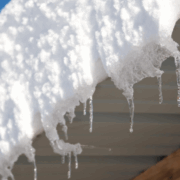
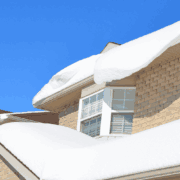
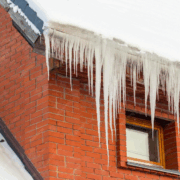
Ice dams tend to occur when one or more parts of your roof are warmer than the eaves. If this happens, snow sitting on top of your roof melts due to heat in the attic or crawlspace and then flows down to the eaves, where it refreezes and creeps up under the shingles or roofing tiles. Once beneath the upper layer of roofing material, the ice can tear through even the most sturdy underlayment. Ice dams tend to occur in roof valleys, where different sections of roof come together, since wind-blown snow gets trapped in these areas. Ice dams are every homeowner’s nightmare, so avoid them at all cost.

How Do I Prevent Ice Dams?

1. Install heated wires along the lower edges, or eaves, of your roof to prevent ice dams from forming there.

2. Have ridge vents added. These vents are added to the top of your roof to let the cold air coming in through the soffit vents get back out again. The inclusion of ridge vents in newly installed roofs is now mandatory in many municipalities.

3. Remove built-up snow. Use a snow-rake or a long-handled broom with soft bristles. Avoid using a sharp tool to do this job, since puncturing roofing materials can cause additional problems. If you must climb a ladder to complete this task, use extreme caution and make sure a second person is on hand in case of emergencies.

4. Find and repair any and all leaks in your roof. Leaks create a concentrated spot through which heat can penetrate the many layers of a modern roof.

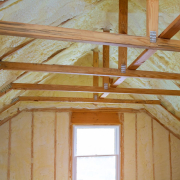
5. Make sure that the batt insulation stuffed between the exposed rafters in your attic or crawlspace is of proper thickness and evenly distributed. Also consider installing rafter air channels to maintain an air-space between roof deck and insulation. Avoid stacking boxes or other items in such a way that they might restrict airflow throughout the attic. If your home’s furnace is in the attic, make sure its ductwork is properly insulated.

6. Keep your home’s thermal envelope tight and leak-free. Hot air escaping from conditioned rooms will collect near leaks or other uninsulated spots at the top of your house. Improve your thermal envelope by building a cover out of rigid polystyrene insulation that seals off the hatch leading into your attic or crawlspace.

If you notice cold or damp walls as well as rusty or discolored patches of mold growing on the drywall or ceiling in your home, especially in winter, you might have a leak caused by ice dams. For professional help in getting your attic or crawlspace ready for winter, and keeping ice dams at bay, contact our experts at AROCON Roofing & Construction!

https://www.aroconllc.com/wp-content/uploads/2024/09/arocon-logo.webp 0 0 Arocon https://www.aroconllc.com/wp-content/uploads/2024/09/arocon-logo.webp Arocon2020-01-10 15:46:002025-10-17 09:33:11Don’t Let Ice Dams Ruin Your Roof

5 Step Plan for Preparing Your Roof for Winter

November 10, 2018/in Roofing/by Arocon

Keep your home safe and sound by taking good care of the roof this holiday season. Few things ruin a holiday season as quickly as snowmelt dripping into your attic or mold sprouting from damp, icy walls. Start preparing your roof for winter by following the 5 steps outlined here:

1. Have a trained and trustworthy professional check out your home’s roofing materials for cracks, holes, peeling, gaps, or other signs of damage. For extra peace of mind, get your roof professionally inspected once a year. Avoid roofing scams by choosing a contractor with a verified physical address, a solid track-record, and good online reviews.

2. Clean out and repair gutters and downspouts, making sure they are firmly attached to the building. Gutters and downspouts move melting snow and ice away from sensitive roofing underlayment materials. A few hours spent digging out old leaves and flushing your downspouts with a garden hose can save you a mountain of worries later on.

3. Make sure the attic or crawlspace is properly ventilated and insulated. Gaps in insulation can lead to ice dams, which tend to occur when warm air pools in uninsulated areas. This warm air melts the snow or ice above it, which then rapidly refreezes, often creeping up under roofing materials like shingles and tiles. While inside the attic or crawlspace, check for signs of water intrusion. Discolored insulation and moldy wooden beams are clear indications that there is a leak nearby. Fix any leaks you might find using the appropriate materials.

4. Remove any patches of moss or piles of debris that built up over previous months. These unwanted intruders could lead to ice dams by preventing melting snow from draining away to the gutters. Also check for damage to the rubber sheeting, asphalt shingles, or layered tiles that protect your business from rain and snow. If more than 25% of all roofing materials are damaged, chances are the building needs a new roof.

5. Once the snow starts falling, remove excess amounts using a snow-rake or a broom that has a long handle. Before getting started, make sure the tool you plan to use doesn’t have sharp edges that might damage roofing materials. Also consider stocking up on calcium or magnesium pellets, which can melt snow without causing harm to asphalt shingles.

Familiarize yourself with your home’s roof-related insurance policy before doing any kind of work on the roof. Please use extreme caution and have a second person on hand in case of emergencies – whenever you mount a ladder. With a bit of care and foresight, your small home can weather any storm. Turn to the experts at AROCON for all your professional and personal roofing needs.

https://www.aroconllc.com/wp-content/uploads/2024/09/arocon-logo.webp 0 0 Arocon https://www.aroconllc.com/wp-content/uploads/2024/09/arocon-logo.webp Arocon2018-11-10 10:46:552025-09-01 13:42:255 Step Plan for Preparing Your Roof for Winter

How To Protect Your Roof From Weather

September 18, 2018/in Roofing/by Arocon

No matter what season you’re in, it’s important to make sure your house is protected from water leakage so you don’t let water rain on your parade, literally.

Owens Corning offers their WeatherLock® Flex Flexible Self-Sealing Ice & Water Barrier, which provides excellent roof deck protection against water infiltration and is an essential part of the Owens Corning Total Protection Roofing System.

WeatherLock® Flex has a modified asphalt and flexible poly surface combination that allows it to adhere to irregular shapes and angles even in cold-weather applications. Its slip-resistant surface will ensure first-rate traction and safe installation to prevent your home from unwanted leakages. Not only will you have quality roof protection from water flow, but WeatherLock® Flex can also withstand UV exposure for up to 30 days without any edge curling or performance deterioration.

So, don’t let your new roof get damaged by rain, ice, and the elements; Owens Corning’s WeatherLock® Flex Flexible Self-Sealing Ice & Water Barrier offers both high protection and high performance that will keep your roof in top condition all year round.

https://www.aroconllc.com/wp-content/uploads/2024/09/arocon-logo.webp 0 0 Arocon https://www.aroconllc.com/wp-content/uploads/2024/09/arocon-logo.webp Arocon2018-09-18 10:57:532025-09-01 11:18:01How To Protect Your Roof From Weather

7 Tips To Winter Proof Your Roof

December 15, 2017/in Roofing/by Arocon

Along with a proper foundation, a solid roof is one of the best investments a homeowner can make. The peace of mind gained from knowing that family and friends will stay dry and warm through the frigid months makes for a happy host and joyful festivities.

1. Start readying your roof for the next winter snowstorm by walking around your house and looking for major problem areas visible from ground level. If trees grow near your home, remove any branches that hang over or very close to the roof.

2. Check the roof inside and out, being careful not to fall. Please hire a contractor if you’re not comfortable walking around on the roof, and consider having a second person within easy hailing range during rooftop excursions. Sweep off all types of debris, making sure to keep gutters and wherever else water is meant to flow free of obstructions and blockages.

3. Flush out your downspouts so that melting snows have somewhere to go. Standing water can freeze, causing ice dams to form, which in turn can do significant damage. Look at the roof from inside the attic or crawlspace for evidence of water intrusion, warping, and other such issues, then call in a professional to fix whatever is broken.

4. Go up into the attic after a heavy late-Fall rain to scan for leaks – areas that display water stains, are damp to the touch or dripping. During the winter, even tiny leaks can lead to heat loss and the formation of ice dams. Ice dams are very dangerous because they can potentially tear through the sturdiest of roofing systems and injure the persons living inside your home.

5. Keep an eye out for parts of the roof that appear to be buckling, or sinking – these are a strong indication that the roof’s supportive framework has given way and must be replaced soon. Few things ruin a happy holiday season as surely as a caved-in roof.

6. Concentrate on areas where two different types of materials meet, such as at chimneys, gutters, built-on extensions, etc. These places are prone to leakages because different materials often don’t bond well, and tend to separate over time. Seal up cracks and holes using a silicone sealant or expanding foam, making sure to use a fire-proof foam around chimneys and other areas that could be exposed to high heat.

7. Check for loose or broken shingles because these might let in water that can damage the layers of material underneath, shortening your roof’s overall lifetime. Call in a professional to replace any missing or damaged shingles you may find, making sure to have a new roof installed every couple of decades or as soon as a majority of shingles start showing signs of excessive wear and tear. When the snow does begin to fall, try to remove it from your roof as often as possible using a blunt, long tool with an extendable handle.

Please make sure to keep track of any roofing issues your find and share them with our team of professionals at AROCON Roofing and Construction should you call in an expert for help!

https://www.aroconllc.com/wp-content/uploads/2024/09/arocon-logo.webp 0 0 Arocon https://www.aroconllc.com/wp-content/uploads/2024/09/arocon-logo.webp Arocon2017-12-15 11:14:402025-09-01 13:35:297 Tips To Winter Proof Your Roof
Page 4 of 512345

Pages

  • Aberdeen, MD Metal Roofing Services
  • About Us
  • Alexandria, VA Roof Inspection Services
  • Annapolis, MD Metal Roofing Services
  • Arocon Roofing Landing
  • Bel Air, MD Metal Roofing Services
  • Blog
  • Bowie, MD Metal Roofing Services
  • Brand Gallery template
  • Cambridge, MD Roof Inspection Services
  • Cambridge, MD Slate Roofing Services
  • Careers
  • Cedar Roofing Service
  • Claims
  • Columbia, MD Metal Roofing Services
  • Commercial Roofing Services
  • Commercial Roofing Services Alexandria, VA
  • Commercial Roofing Services In Cambridge, MD
  • Commercial Roofing Services In Rehoboth Beach, DE
  • Commercial Roofing Services In Westminster, MD
  • Composite Siding Services
  • Composite-tile Roofing Services
  • Contact
  • Door Installation
  • Ellicott City, MD Metal Roofing Services
  • Expert Slate Roofing Services in Alexandria, VA
  • Feedback
  • Financing
  • Frederick, MD Metal Roofing Services
  • Gutter Guard Services
  • Gutter Installation Services
  • Gutter Services
  • Hampstead, MD Metal Roofing Services
  • Home
  • Home Confidence Plan
  • Home Insulation
  • Laurel, MD Metal Roofing Services
  • Lower Delaware
  • Make a payment
  • Manchester, MD Metal Roofing Services
  • Metal Roofing Alexandria, VA
  • Metal Roofing Services
  • Metal Roofing Services Cambridge, MD
  • Mount Airy, MD Metal Roofing Services
  • Northern Virginia Service area
  • Opt-out preferences
  • Our Team
  • Potomac, MD Metal Roofing Services
  • Privacy Policy
  • Professional Gutter Cleaning Services
  • Rate Us
  • Rehoboth Beach, DE Metal Roofing Services
  • Rehoboth Beach, DE Roof Inspection Services
  • Rehoboth Beach, DE Roof Repair Services
  • Rehoboth Beach, DE Roofing Services
  • Rehoboth Beach, DE Shingle Roofing Services
  • Rehoboth Beach, DE Slate Roofing Services
  • Review Feedback Form
  • Reviews
  • Rockville, MD Metal Roofing Services
  • ROOF & GUTTER TUNE-UP
  • Roof Inspection
  • Roof Maintenance Services
  • Roof Maintenance Services Cambridge, MD
  • Roof Maintenance Services in Alexandria, VA
  • Roof Maintenance Services in Rehoboth Beach, DE
  • Roof Maintenance Services in Westminster, MD
  • Roof Repair
  • Roof Repair Cambridge, MD
  • Roof Repair Lower Delaware
  • Roof Repair Services Alexandria, VA
  • Roof Replacement Cambridge, MD
  • Roof Replacement Lower Delaware
  • Roof Replacement Services
  • Roof Replacement Services in Alexandria, VA
  • Roof Replacement Services in Rehoboth Beach, DE
  • Roof Replacement Services in Westminster, MD
  • Roofing
  • Roofing Company in Alexandria VA
  • Roofing Company in Cambridge MD
  • Roofing Company in Rehoboth Beach, DE
  • Roofing Company in Westminster, MD
  • Roofing Lower Delaware
  • Roofing Services Alexandria, VA
  • Service area
  • Services
  • Shingle Roofing Alexandria, VA
  • Shingle Roofing in Maryland and Virgina
  • Shingle Roofing Services In Cambridge, MD
  • Siding
  • Siding Replacement
  • Silver Spring, MD Metal Roofing Services
  • Skylight Installation
  • Slate Roofing Services
  • Storm Damage
  • Template – Door Brands
  • Template – Gutters Brands
  • Template – Labor Day Banner
  • Template – Roofing Brands
  • Template – Siding Brands
  • Template – Skylight Brands
  • Template – Window Brands
  • Template_Alexandria_Service_Block
  • Template_Cambridge_Service_Block
  • Template_Certification
  • Template_Finance_Banner
  • Template_Our_Process
  • Template_Our_Work
  • Template_Overall_Service_Block
  • Template_Rehoboth Beach, DE_Service_Block
  • Template_Review_Section
  • Template_Westminster_Service_Block
  • Terms and Conditions
  • Towson, MD Metal Roofing Services
  • Trusted Roofing Services in Cambridge, MD
  • Westminster, MD Metal Roofing Services
  • Westminster, MD Roof Inspection Services
  • Westminster, MD Roof Repair Services
  • Westminster, MD Roofing Services
  • Westminster, MD Shingle Roofing Services
  • Westminster, MD Slate Roofing Services
  • Window Installation

Categories

  • Design & Inspiration
  • Energy Efficiency & Sustainability
  • Gutters
  • Home Improvement
  • Maintenance & Repairs
  • Roofing
  • Siding
  • Skylight
  • Windows & Door

Archive

  • November 2025
  • October 2025
  • September 2025
  • August 2025
  • July 2025
  • June 2025
  • May 2025
  • April 2025
  • March 2025
  • February 2025
  • January 2025
  • December 2024
  • November 2024
  • October 2023
  • August 2022
  • June 2022
  • April 2022
  • February 2022
  • August 2021
  • June 2021
  • April 2020
  • March 2020
  • January 2020
  • December 2019
  • November 2019
  • November 2018
  • September 2018
  • June 2018
  • May 2018
  • February 2018
  • December 2017
  • September 2017
  • August 2017
  • September 2016
  • August 2016
  • August 2015
  • August 2014
  • October 2013
  • August 2013
  • August 2012
  • August 2011
  • August 2010
  • August 2009
  • August 2008

Send Us A Message

Send Us A Message

By submitting, you authorize Arocon Roofing and Construction to reach out via phone, email, or text for explicit information about project needs. We will never share your personal information with 3rd parties for marketing purposes or spam you. You can opt out at any time. Message/data rates apply. Consent is not a condition of purchase.  Terms and Conditions | Privacy Policy

arocon logo

Licenses

  • MHIC: 161926
  • VA: 2705193848
  • DC: 170957900
  • PA: 196386
  • NJ: 13VH13509200
  • DE: 2024713003

Services

  • Roofing
  • Maintenance Plans
  • Gutters
  • Siding
  • Windows
  • Skylights

Company

  • Team
  • Reviews
  • Financing
  • Blog
  • Careers
  • Contact
Make A Payment

101 R John Street
Westminster, MD 21157
(410) 861-6767

109 Brohawn Ave, #111
Cambridge, MD 21613
(443) 487-6455

950 N Washington St
Alexandria, VA 22314
(571) 349-9111

AROCON Roofing & Construction LLC © 2025 All Rights Reserved. Proudly serving the Mid Atlantic Region | Privacy Policy

  • Link to Facebook
  • Link to Instagram
  • Link to Youtube

© Copyright - Arocon Roofing and Construction - Enfold WordPress Theme by Kriesi
Scroll to top
Manage your privacy
To provide the best experiences, we use technologies like cookies to store and/or access device information. Consenting to these technologies will allow us to process data such as browsing behavior or unique IDs on this site. Not consenting or withdrawing consent, may adversely affect certain features and functions.
Functional Always active
The technical storage or access is strictly necessary for the legitimate purpose of enabling the use of a specific service explicitly requested by the subscriber or user, or for the sole purpose of carrying out the transmission of a communication over an electronic communications network.
Preferences
The technical storage or access is necessary for the legitimate purpose of storing preferences that are not requested by the subscriber or user.
Statistics
The technical storage or access that is used exclusively for statistical purposes. The technical storage or access that is used exclusively for anonymous statistical purposes. Without a subpoena, voluntary compliance on the part of your Internet Service Provider, or additional records from a third party, information stored or retrieved for this purpose alone cannot usually be used to identify you.
Marketing
The technical storage or access is required to create user profiles to send advertising, or to track the user on a website or across several websites for similar marketing purposes.
Statistics

Marketing

Features
Always active

Always active
  • Manage options
  • Manage services
  • Manage {vendor_count} vendors
  • Read more about these purposes
Manage options
  • {title}
  • {title}
  • {title}