
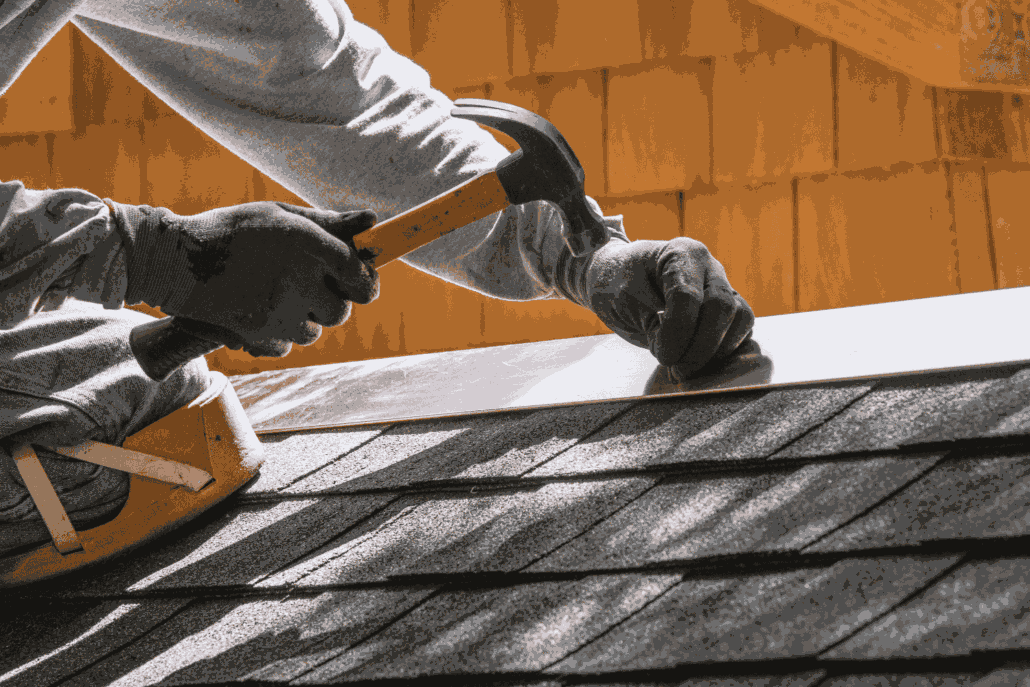
5 Coastal Roof Problems Rehoboth Beach Homeowners Miss During DIY Inspections
Coastal living offers great views, but it also puts constant stress on your roof. In Rehoboth Beach, DE, Atlantic salt spray, summer thunderstorms, and off-season nor’easters can quietly damage roofing materials, and a basic DIY roof inspection checklist often misses those early warning signs.
Many homeowners rely on quick visual checks after storms. However, early signs such as salt-air roof corrosion and roof-flashing leaks often go unnoticed, allowing problems to grow over time.
Key Takeaways
- Coastal roof damage in Rehoboth Beach often develops slowly and can be missed during basic DIY inspections.
- Salt-air corrosion weakens materials over time, even when the roof appears intact from a distance.
- Wind-lifted shingles and flashing issues commonly follow coastal storms but may not be immediately visible.
- Regular maintenance reduces the risk of clogged gutters during heavy rain and helps prevent long-term structural damage.
Key Coastal Roof Issues Homeowners Often Overlook in Rehoboth Beach
Coastal homes face constant exposure to moisture, wind, and salt. These conditions create hidden roofing problems that standard inspections often miss, especially when ongoing roof maintenance is overlooked over time.
Salt Air Roof Corrosion
Salt air carried in from the Atlantic gradually degrades roofing materials, especially metal components such as flashing and fasteners. Corrosion often starts beneath the surface, making early damage difficult to spot without close inspection of vulnerable areas exposed to ocean-facing winds. This often requires a professional roof inspection to confirm early-stage damage.
Wind-Lifted Shingles
Strong winds from coastal storms and nor’easters can loosen or slightly lift shingles without tearing them off. These shifts weaken the roof’s protective barrier and allow moisture to enter long before visible damage appears after storms, potentially requiring targeted roof repair if left unaddressed.
Roof Flashing Leaks
Flashing around chimneys, vents, and roof valleys wears down quickly under repeated temperature swings and salt exposure. Small gaps or failed seals form as materials expand and contract, leading to slow, persistent roof flashing leaks.
Clogged Gutters During Heavy Rain
Heavy rain and sudden downpours common in coastal Delaware can overwhelm gutters when debris builds up. Clogged gutters push water back under the shingles, increasing the risk of leaks and hidden structural damage.
Roof Ventilation Humidity Issues
High humidity from coastal air can trap moisture in attic spaces when ventilation falls short. This buildup encourages mold growth, damages insulation, and accelerates roof deterioration over time.
Steps to Inspect, Maintain, and Protect Your Coastal Roof
Routine maintenance helps limit the impact of coastal Delaware roofing problems. A more focused inspection approach can reveal early warning signs caused by salt exposure and storm cycles before they require major repairs.
Perform a Closer Visual Inspection Beyond Ground Level
A ground-level check rarely reveals subtle damage caused by coastal conditions. A closer inspection allows you to spot early wear along shingles, flashing, and roof edges exposed to wind-driven rain, helping you determine whether a full roof replacement may be necessary in severe cases.
Check Metal Components for Early Corrosion
Inspect flashing and fasteners for rust, discoloration, or pitting. These signs indicate early salt-air corrosion and signal areas that may fail with continued exposure to ocean air.
Monitor Shingle Alignment After Storms
Check for uneven shingle lines or slight lifting after strong winds. These changes often indicate wind-lifted shingles that can worsen with repeated exposure to seasonal coastal storms, particularly after events that may require storm damage repair to restore roof integrity.
Keep Gutters Clear Before and After Heavy Rain
Clear gutters before and after storms to prevent buildup from leaves and coastal debris. This step helps avoid clogged gutters during heavy rain and protects the roofline from water damage.
Evaluate Attic Conditions for Moisture Buildup
Inspect the attic for damp insulation, condensation, or musty odors. These signs reveal ventilation issues that can worsen in humid coastal environments and weaken both the roof and interior structure.
Catch Hidden Coastal Damage Before It Turns into Costly Repairs
Arocon Roofing and Construction helps homeowners identify hidden coastal roof damage before it leads to expensive repairs by providing detailed inspections and maintenance tailored to harsh shoreline conditions. So you can protect your home with confidence and clarity. When you are ready to take the next step, contact us to schedule your evaluation.
Frequently Asked Questions
What are common signs of coastal roof damage?
Coastal roof damage often includes subtle signs like rusted flashing, lifted shingles, and moisture buildup in the attic. These issues may not appear during a basic inspection but can worsen quickly in coastal environments.
How does salt air affect roofing materials?
Salt air accelerates corrosion in metal components and weakens protective layers on roofing materials. Over time, this exposure reduces durability and increases the likelihood of leaks or structural damage.
Why are gutters important during heavy coastal rain?
Gutters direct water away from the roof and foundation. When they clog during heavy rain, water can back up under shingles and cause leaks that are difficult to detect early.
How often should coastal roofs be inspected?
Homes in coastal areas like Rehoboth Beach benefit from inspections at least once a year, if not twice. Regular checks help catch issues caused by wind, salt exposure, and humidity before they become costly repairs.

