
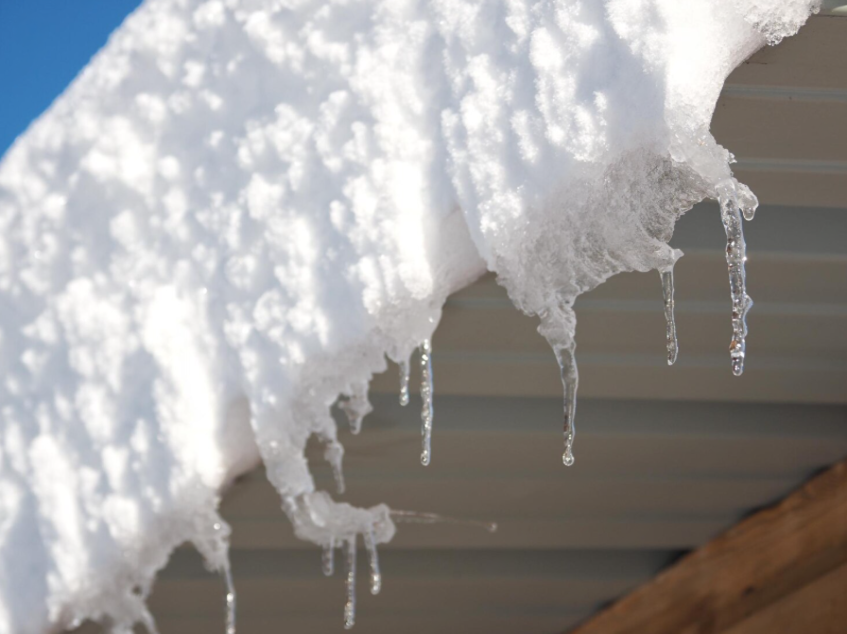
How to Prevent Roof Ice Dams This Winter: Tips for Alexandria, VA Homeowners
Winters in Alexandria, VA, often fluctuate between mild and freezing temperatures, creating conditions that lead to ice dam formation on the city’s historic and modern homes alike. When ice forms along the roof’s edge, it blocks melting snow from draining through gutters. Over time, this buildup can lead to leaks, damaged shingles, and costly repairs inside walls and ceilings.
By focusing on early inspections, balanced attic insulation, and consistent gutter care, Alexandria homeowners can prevent ice dams before they start and keep their homes safe and comfortable all winter long.
Key Takeaways
- Ice dams form when warm air in the attic melts snow that refreezes at the roof’s edge, leading to leaks and damage.
- Improving attic insulation and ventilation is one of the most effective ways to prevent ice dam formation.
- Regular gutter cleaning and trimming nearby tree branches help keep melted snow flowing safely off the roof.
- Using roof rakes or hiring professionals to remove heavy snow can minimize the risk of costly roof and gutter damage.
- Scheduling seasonal inspections and maintenance from certified roofing specialists ensures Alexandria homes stay protected all winter long.
Improve Attic Insulation and Airflow
Uneven roof temperatures are a primary cause of ice dams. Warm air escaping from the attic melts snow near the roof’s peak, while the colder eaves cause it to refreeze. This creates an ice ridge that traps water and can eventually leak beneath shingles.
Many of Alexandria’s older homes—with original fireplaces, chimneys, and attic access points—lack adequate insulation or ventilation. Upgrading attic insulation and ventilation regulates roof temperature to prevent refreezing, while improving winter energy efficiency and comfort.
If you’ve noticed inconsistent temperatures upstairs or higher heating costs, your attic may need attention. Our specialists, serving Alexandria homeowners since 2008, can inspect insulation, vents, and roofing systems to recommend improvements that minimize risk and protect your investment through every season.
Keep Gutters Clear and Flowing
Clogged gutters and downspouts prevent melted snow from draining, allowing ice to collect near the roof’s edge. During a freeze, this trapped water can solidify, adding weight that damages gutters and shingles.
Neighborhoods with mature trees—such as North Ridge and the West End—are especially prone to heavy debris in the fall. Routine gutter cleaning ensures that meltwater flows freely away from your home. Trimming nearby branches also helps reduce debris buildup and lowers the risk of roof damage during storms.
Regular maintenance, paired with our Roof & Gutter Tune-Up starting at $199, helps prevent ice dams and preserve roof performance all season.
Remove Ice and Snow Safely After Major Storms
Heavy snowfall and rapid freeze-thaw cycles can quickly lead to ice dam formation. As melted snow refreezes near the eaves, water may back up under shingles and leak into attics or walls.
After significant storms, safely remove snow using a roof rake from the ground.
Avoid metal tools or scraping, which can damage shingles. If ice buildup becomes excessive, contact a certified roofing professional to handle removal safely. Acting early helps prevent water damage and protects both the roof and interior.
Across Alexandria, neighbors often come together after winter storms—clearing sidewalks, roofs, and gutters. These shared efforts protect homes and help preserve the city’s distinctive architecture during harsh weather.
Install Roof Heating Cables for Added Ice Dam Prevention
Homes shaded by tall oaks near the George Washington Parkway or along quieter Old Town blocks often experience colder roof sections that freeze faster. Roof heating cables provide targeted prevention by warming roof edges, valleys, and areas around chimneys to maintain drainage.
Before installation, have a roofing professional evaluate your insulation and ventilation to ensure the system operates efficiently. Heating cables work best as a complement to—not a substitute for—proper attic insulation and airflow. When installed correctly, they help homeowners reduce winter risks and extend roof longevity.
Schedule a Professional Roof Inspection Before the First Freeze
At Arocon Roofing and Construction, we provide comprehensive roof inspections that include photo documentation, insulation reviews, and personalized recommendations. As an Owens Corning Platinum Preferred and GAF Master Elite contractor, we are trusted by Alexandria homeowners for professional service, craftsmanship, and clear guidance.
Routine maintenance from our certified specialists helps extend roof life, prevent seasonal storm damage, and safeguard Alexandria’s homes—from Old Town’s historic properties to the neighborhoods near Eisenhower Avenue.
Contact us today or call 866-944-2055 for your free estimate.
Frequently Asked Questions
How do ice dams form in Alexandria homes?
Ice dams form when uneven roof temperatures cause melting snow to refreeze near the eaves. The resulting ice barrier traps water, which can leak into ceilings and walls if not addressed promptly.
What steps offer the best ice dam prevention?
Consistent attic insulation, proper ventilation, and regular gutter maintenance are essential. Alexandria homeowners should also clear heavy snow and schedule seasonal inspections to ensure their roofs stay protected throughout winter.
What damage can ice dams cause to roofs?
Ice dams can loosen gutters, crack shingles, and lead to water infiltration inside the home. Over time, this may result in structural deterioration, ceiling stains, and significant repair costs.
How can I safely remove existing ice dams?
Safely remove ice dams by using a roof rake to clear snow from the roof’s edge or by hiring a certified roofing professional to remove buildup without harming shingles or gutters.
When is the best time to inspect my attic and gutters?
The ideal time is early fall, before freezing weather begins. A professional inspection helps identify missing insulation, debris buildup, or ventilation issues that increase the risk of winter roof leaks.

