
Alexandria Wind Uplift Prevention: Pro Strategies to Keep Water Out
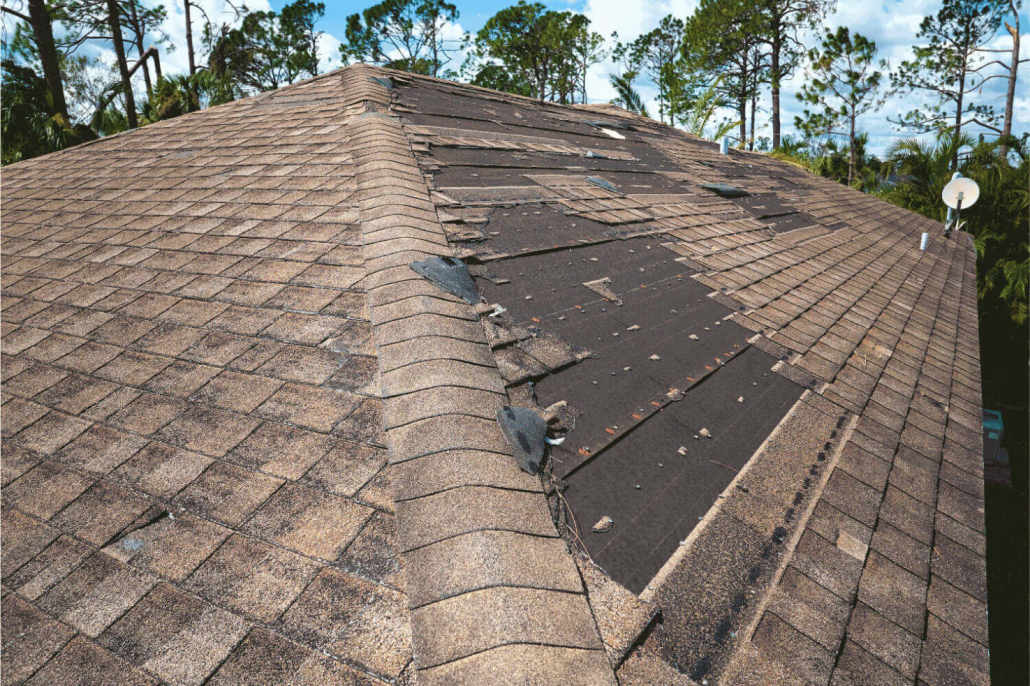
Homes in Alexandria, VA, are frequently exposed to strong winds and severe storms, which place ongoing stress on the roofing system. When wind uplift occurs, slightly raised or loosened shingles allow water to move beneath the roofing material, creating damage that often remains hidden until it spreads. Preventing water damage after wind uplift in Alexandria, VA, requires more than a ground-level glance. It calls for professional strategies that protect the roof deck, maintain the roof’s integrity, and safeguard the home’s structure.
Key Takeaways
- Wind uplift allows water to enter beneath shingles, increasing the risk of roof leaks, mold growth, and structural damage if not addressed promptly.
- Asphalt shingles, metal flashing, and the roof deck must function together as a complete roofing system to resist uplift pressure from strong gusts.
- Timely repairs and routine inspections after severe storms help prevent expensive repairs and limit further deterioration of roofing materials.
- Professional roofing contractors provide the assessments and repairs needed to protect Alexandria homes from long-term wind damage and water intrusion.
Proven Ways to Prevent Wind Uplift and Water Entry for Alexandria Homes
Strong winds affect roofs differently based on age, materials, and installation quality.
These strategies focus on reducing uplift pressure while keeping water out of homes in Alexandria. When damage is already present, professional roof repair services help restore vulnerable areas before moisture spreads.
Reinforcing Asphalt Shingles Against Uplift Pressure
Manufacturers design asphalt shingles to resist wind, but prolonged exposure to the sun’s UV rays and natural aging can weaken their adhesive strips.
From a professional roofing contractor’s perspective, keeping shingles properly sealed and replacing them when granule loss or curling appears is essential for reducing wind uplift.
Securing shingles before high winds arrive reduces the risk of exposed underlayment and water intrusion during storms. When deterioration is widespread, a full roof replacement may be the most reliable long-term solution.
Securing Shingle Edges and Vulnerable Roof Zones
Shingle edges, ridgelines, and areas around chimneys experience the greatest uplift pressure during strong gusts. Roofing professionals prioritize these zones because loose or broken shingles there often cause roof leaks.
Proper fastening and targeted repairs help protect the roofing system from wind-driven rain that can compromise vulnerable areas of the home, and structured roof maintenance programs help prevent recurring uplift issues.
Maintaining Metal Flashing and Water Barriers
Metal flashing around chimneys, walls, and roof transitions plays a critical role in preventing water entry after wind damage. When flashing loosens or bends, water flow changes and can move beneath the roofing system instead of into the gutters.
Professional repair restores the roof’s ability to direct water away from the home while protecting attic spaces, electrical systems, and interior walls from moisture, especially when storm-related damage requires specialized expertise.
Managing Trees and Debris Around the Roof
Overhanging branches and storm debris increase the risk of physical roof damage during severe weather. From a service provider’s standpoint, trimming tree branches away from the roof reduces debris impact and lowers the likelihood of missing shingles after storms.
Keeping the roof clear also helps protect the home’s foundation and prevents punctures or loosened shingles caused by falling debris.
Inspection Priorities and Timing for Northern Virginia Storms
Storm patterns in Northern Virginia make timing critical for roof inspections.
Knowing when and where to inspect helps homeowners address problems before they develop into extensive damage.
Identifying Early Signs of Wind Damage
Professional inspections focus on visible indicators such as loose shingles, slightly raised shingle edges, granule loss, and water stains in the attic. These signs often point to underlying roof damage that has not yet caused active leaks.
Addressing early warning signs helps homeowners reduce the risk of mold growth and avoid more costly repairs.
Evaluating the Roof Deck After Severe Storms
High winds can loosen shingles enough to expose sections of the roof deck, allowing water to seep into the home’s structure. Roofing professionals assess the decking for soft spots or structural concerns that may not be visible from the exterior.
Protecting the roof deck is essential for maintaining the overall strength and reliability of the roofing system, particularly for properties that rely on durable systems such as metal roofing solutions designed to resist uplift pressure.
Scheduling Professional Inspections After High Winds
After strong winds or severe storms, a professional inspection provides clear insight into whether wind-related repairs are necessary. Many homeowners miss subtle issues that can later lead to roof leaks and expensive repairs.
Scheduling an inspection promptly helps ensure professionals document and address damage before it worsens or impacts an insurance claim, and working with a certified roof inspection professional provides clear documentation for homeowners.
Acting Quickly to Prevent Further Deterioration
Delaying repairs allows water damage to spread beyond the roof and into walls, insulation, and interior spaces. From a roofing contractor’s perspective, timely repairs offer the most effective protection against long-term risk.
Quick action after storm damage helps preserve the roof’s integrity and minimizes disruption to the home. For business properties, coordinated commercial roofing services provide similar protection against uplift-related water intrusion.
Secure Your Roof Before Wind Damage Turns into Costly Repairs
Arocon Roofing and Construction understands how quickly wind uplift can turn minor shingle movement into water intrusion and costly damage to the roofing system when homeowners fail to address it promptly.
Taking action before the next round of strong winds helps protect the roof deck and reduce the risk of repairs escalating. If recent storms have hit your roof or show early signs of wind damage, contact us to schedule a timely inspection.
Frequently Asked Questions
How does wind uplift lead to roof leaks in Alexandria homes?
Wind uplift raises shingles just enough to allow water to move beneath the roofing material. Over time, this moisture can reach the roof deck and attic, leading to roof leaks, mold growth, and structural damage if homeowners delay repairs.
Are asphalt shingles effective against high winds in Northern Virginia?
Asphalt shingles can perform well in high winds when properly installed and maintained. Professional assessments ensure shingles remain sealed, and professionals replace them when signs of aging, granule loss, or curling appear.
When should homeowners schedule a professional roof inspection after a storm?
Homeowners should schedule a professional inspection after any severe storm or strong gusts that may have caused wind damage. Early inspections help identify missing shingles, damaged flashing, and hidden water issues before they worsen.
Can wind damage affect areas beyond the roof itself?
Yes, wind damage can impact gutters, flashing, walls, and even the home’s foundation if water is allowed to spread. Professional roofing contractors evaluate the entire roofing system to ensure all vulnerable areas remain protected.
