
Roof Granule Loss Explained: Common Causes and Red Flags for Homeowners in the Mid-Atlantic
Roof granule loss is one of the earliest and most overlooked warning signs on an asphalt shingle roof. In the Mid-Atlantic, fluctuating temperatures and severe weather put constant stress on shingles, making the protective granules essential for UV resistance, water shedding, and fire protection.
While some granule loss is normal with age, excessive shedding can indicate storm damage, installation problems, or a roof nearing the end of its lifespan.
Key Takeaways
- Minor granule loss is expected on asphalt shingles, especially during normal wear or shortly after roof installation.
- Excessive or widespread granule loss often signals severe weather damage, improper installation, or manufacturing defects.
- Shingle granules form a protective layer that supports UV protection, fire resistance, and long-term shingle performance.
- A professional roof inspection is the most reliable way to determine severity and next steps for Mid-Atlantic homeowners.
Key Causes and Warning Signs of Roof Granule Loss in Mid-Atlantic Weather
Seasonal conditions in the Mid-Atlantic region create a demanding environment for asphalt shingle roof performance. Each cause of granule loss affects shingles differently and often determines whether homeowners need continued monitoring, targeted roof repair, or a more comprehensive solution.
Normal Aging of Asphalt Shingles
Over time, asphalt shingles age and gradually shed a few granules as the protective coating wears down. In the Mid-Atlantic, repeated freeze-thaw cycles and prolonged sun exposure accelerate this process, especially on an aging roof.
From a service provider’s perspective, evenly distributed minor granule loss typically reflects normal wear and falls under routine roof maintenance rather than an immediate structural issue.
Severe Weather and Harsh Storm Events
Heavy rain, hail, high winds, and falling branches, common to Mid-Atlantic storms, can dislodge granules from the shingle surface. After severe weather, homeowners may notice loose granules accumulating in gutters or near downspouts, particularly in areas such as Westminster and Cambridge, MD, where seasonal storms are frequent.
This sudden granule shedding often affects specific roof sections and should be evaluated through a professional roof inspection to prevent further granule loss.
Improper Roof Installation
When roofing shingles are not installed according to the manufacturer’s requirements, granule adhesion can be compromised early. Improper fastening, poor ventilation planning, or rushed roof installation may lead to premature granule loss on a new asphalt roof.
From a contractor’s standpoint, these conditions frequently appear during follow-up inspections and may require corrective roof repair to restore shingle performance.
Manufacturing Defects and Premature Granule Shedding
Occasionally, roofing shingles leave the manufacturing process with defective granule bonding.
These affected shingles may experience excessive granule shedding even under mild conditions. Identifying this issue early helps determine whether manufacturer-related remedies apply or if partial roof replacement offers the most reliable long-term solution.
Foot Traffic and Mechanical Damage
Unnecessary foot traffic during maintenance, satellite installation, or seasonal decorating can loosen granules and damage the shingle surface. In our experience, granule loss caused by foot traffic is often localized and accompanied by scuff marks or bald spots.
This type of damage highlights why homeowners should rely on trained roofing professionals rather than walking directly on the roof.
How to Assess Severity and Decide Next Steps
Not all granule loss requires the same response. Assessing severity involves understanding loss patterns, quantities, and related warning signs across the roofing system before deciding on repair, maintenance, or roof replacement.
Distinguishing Minor from Excessive Granule Loss
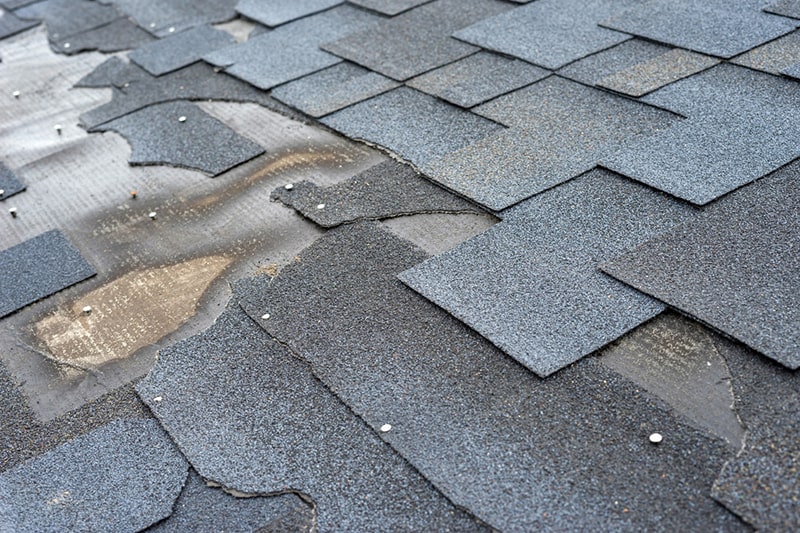
A few granules in gutters or at the base of downspouts typically indicate minor granule loss. Significant granule loss appears as widespread bald spots, large amounts of crushed stone after storms, or exposed asphalt layers.
From a service provider’s perspective, widespread granule loss across multiple slopes often signals the need for a more comprehensive evaluation.
Evaluating Roof Age and Remaining Lifespan
Asphalt shingles age differently depending on installation quality and local exposure. When an asphalt roof nears the end of its lifespan, granule shedding increases, and UV rays can more easily reach the asphalt layer.
In these situations, comparing ongoing roof maintenance costs with proactive roof replacement helps homeowners make informed decisions.
Checking for Secondary Warning Signs
Granule loss rarely occurs in isolation. Water stains, clogged gutters, missing granules around flashing, and visible shingle deterioration often appear alongside excessive loss.
Together, these warning signs suggest the protective granules are no longer functioning as intended and that further damage may develop if left unaddressed.
Scheduling a Professional Roof Inspection
A professional roof inspection provides clarity beyond what ground-level observations can reveal. Roofing professionals assess granule loss severity, affected shingles, ventilation conditions, and potential structural damage.
Regular inspections are especially valuable for Mid-Atlantic homeowners facing harsh weather conditions throughout the year.
Schedule a Roof Inspection with Arocon
Granule loss is easier to address when caught early. A thorough inspection helps determine whether the roof remains serviceable or if proactive repairs are needed to protect the home. Arocon Roofing and Construction has served Mid-Atlantic homeowners since 2008, providing certified expertise and a homeowner-focused approach.
If concerns arise about granules in gutters or visible shingle wear, contact us to schedule an inspection and receive clear guidance on next steps.
Frequently Asked Questions
How much granule loss is considered normal on an asphalt shingle roof?
A small amount of granule shedding is normal, especially on new asphalt shingles or an aging roof approaching the end of its lifespan. Evenly distributed minor granule loss without bald spots typically does not indicate immediate failure.
Do granules really protect my roof?
yes. Protective granules shield the asphalt layer from UV rays, improve fire protection, and help maintain overall shingle performance. When granules are missing, the roof becomes more vulnerable to moisture intrusion and accelerated deterioration.
Can granule loss be repaired without roof replacement?
In some cases, localized damage caused by storms or foot traffic can be addressed through targeted repairs. Widespread or excessive granule loss affecting multiple shingles often points toward roof replacement as the most dependable solution.
How often should my roof be inspected in the Mid-Atlantic?
Regular roof inspections are recommended at least once per year and after major storm events. Consistent inspections help identify granule loss early and reduce the risk of costly repairs from unnoticed damage.

